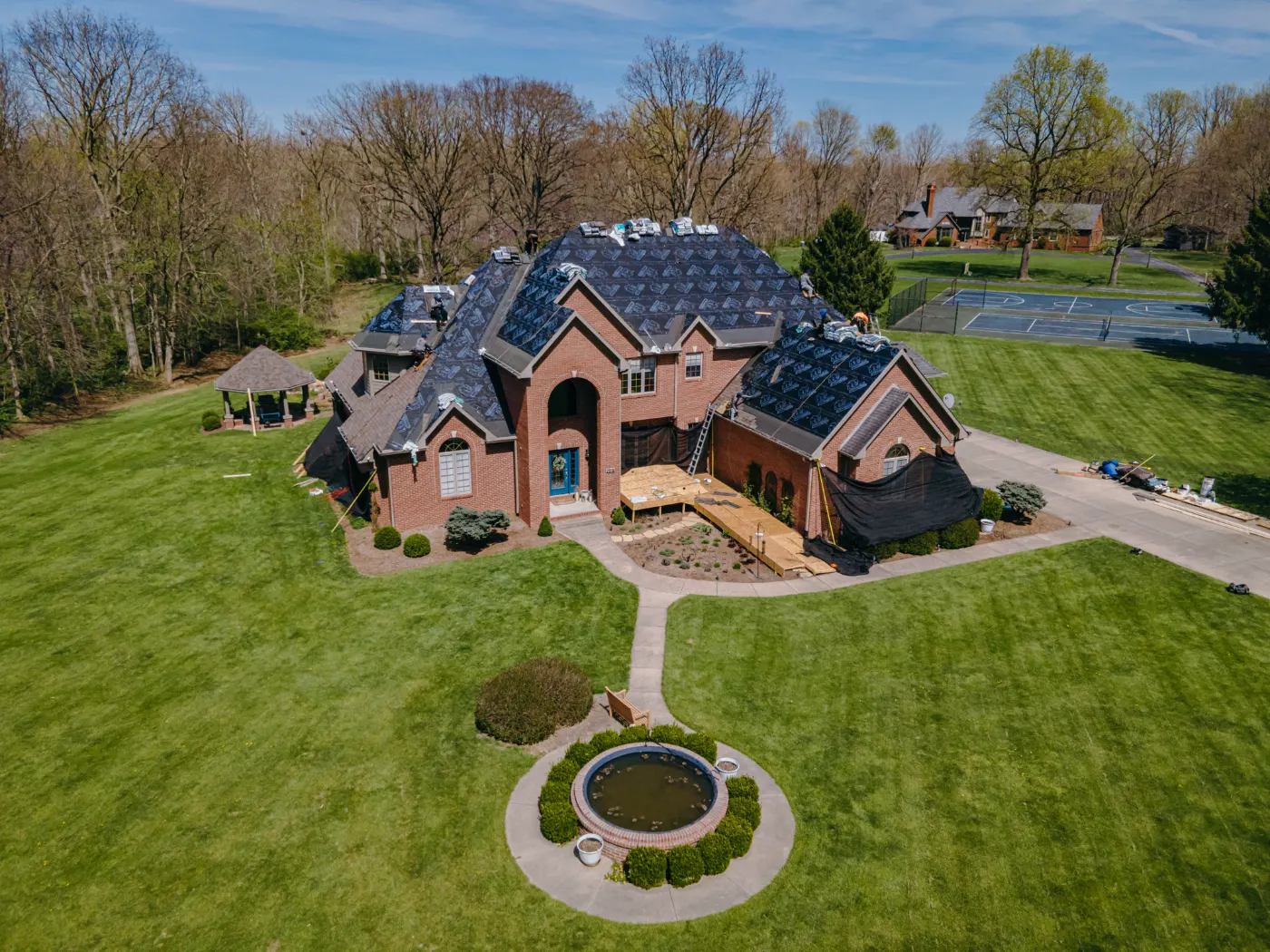
Roofing Contractors Who Answer the Phone in Wanamaker
Wanamaker Roofing provides roof inspections, repairs, and replacements for homeowners across Wanamaker, from Southeastern Avenue out toward South Post Road. Licensed and insured in Indiana, we deliver free inspections and honest written estimates before any work starts.
If we're busy helping someone else and miss your call, we'll call you back within 15 minutes.




Wanamaker Roofing protects Wanamaker homes with roofs built for year twenty: ice and water barrier where winters attack, ventilation math included. Call (317) 653-6821.
- Services: roof inspections, roof repair, emergency roof repair, roof replacement
- Service area: Wanamaker, Marion County, IN and surrounding areas
- Response: Wanamaker emergencies move to the front of the schedule, with interim protection first
- Licensed and insured (License #RC21100059)
- Serving Wanamaker, IN since 2018
Schedule Your Free Roof Inspection
A roof inspection on a Wanamaker home is a careful walkthrough of everything that keeps water out. We look at shingle condition, granule loss, cracked or lifted tabs, exposed nails, and flashing around chimneys, valleys, vents, and skylights. We check the areas that tend to fail first on Wanamaker roofs, including the north facing slopes that hold moss under mature tree cover and the ridges and edges where wind does the most damage. Every finding gets photographed so you can see it yourself, and we write up what we saw in plain language. A thorough look now keeps small problems in Wanamaker from turning into torn out decking and interior repairs later.
I agree to be contacted by Wanamaker Roofing regarding my inquiry.
Freeze thaw works the Wanamaker roof edge harder than anywhere else. Meltwater refreezes at the cold overhang, expands in every gap it found, and pries at the first courses through the whole Indiana winter. Eaves without membrane protection lose the fight a crystal at a time, and the Marion County spring reveals what January did: stains on the fascia and the first courses cupped loose.
Your deductible is your deductible at Wanamaker Roofing, in Wanamaker and everywhere else. No games with it, no absorbing it into inflated scopes, no wink at the kitchen table. The practice that plays with that number puts homeowners in the middle of something they never signed up for, and across Marion County our claims work stays clean because the company intends to be here for the next storm too.
Bought a roof and never got the paperwork? Wanamaker Roofing runs warranty rescue for Wanamaker homeowners: manufacturer registration chased where the window allows, installation records reconstructed from inspection, and the coverage you paid for put on paper. Call (317) 653-6821. Across Marion County, warranty value quietly expires in kitchen drawers, and some of it can still be recovered.
Payment Options That Work for You
We partner with established lenders so Wanamaker Roofing clients can spread the cost of a major roofing project into manageable payments. Ask your project lead about current options.
Pay for your project at a later time, but lock in today's pricing. Ideal for homeowners waiting on insurance settlements.
- No payments for 12 months
- No interest if paid in full
- Lock in current pricing today
Divide your project cost equally across 12 months with zero interest. Most homeowners choose this option for predictable budgeting.
- Equal monthly payments
- 0% interest for 12 months
- Simple, predictable budgeting
Spread your investment over up to 20 years with fixed equal payments. The right choice for larger projects or homeowners who prefer lower monthly amounts.
- Up to 20-year terms available
- Fixed equal payments
- Ideal for larger projects
Financing provided by Slice, Foundation Finance, Regions. Subject to credit approval. Rates, terms, and promotional periods are set by the lender and disclosed in writing before you sign.
What We Do on Wanamaker Properties
From inspections and repairs to full replacements, Wanamaker Roofing handles every roofing project with manufacturer-certified crews and clear documentation.
Roof Inspections in Wanamaker
Free on site roof inspections for Wanamaker homes, covering shingles, flashing, penetrations, and signs of storm or age damage, documented with photos and a written summary.
Learn moreRoof Repair in Wanamaker
Targeted roof repair for Wanamaker homes, addressing damaged shingles, failed flashing, leaks, and problem areas identified during inspection.
Learn moreEmergency Roof Repair in Wanamaker
Emergency roof repair for Wanamaker homeowners dealing with active leaks or acute storm damage, focused on stopping further damage and stabilizing the roof.
Learn moreRoof Replacement in Wanamaker
Full roof replacement for Wanamaker homes, including tear off, decking check, underlayment, flashing, and new shingles installed to manufacturer specification.
Learn moreDesigner Roofing in Wanamaker
Designer roofing options for Wanamaker homeowners who want upgraded profiles, colors, and shingle lines that go beyond standard architectural asphalt.
Learn more
Local Expertise, Real Results
The same person who walked your roof is the person who answers when you call back.
Hail does its damage in seconds and hides it for months. Wanamaker Roofing inspects Wanamaker roofs the way adjusters do, documents functional damage honestly, and tells you plainly when a roof does not need work.
Wanamaker Roofing serves Wanamaker homeowners with roofing work built for the mix of housing you actually find here, from 1950s ranches to newer two story traditionals near Franklin Central High School. Our service area covers Wanamaker, the rest of Marion County, and surrounding communities like Beech Grove, Acton, Southport, and New Palestine. Founder Aaron Christy started the company in 2018 and has been featured on FOX59, WISH TV, and RTV6 for his work in central Indiana. Every project is handled by a licensed and insured local crew that understands how Wanamaker roofs age. We hold Indiana license RC21100059, and we stand behind the work we put on your home.
The way we work on a Wanamaker roof is straightforward. We start with a thorough inspection, climb the roof when it is safe, and document what we find with photos so you can see the shingles, flashing, and problem spots the way we do. From there you get an honest written estimate with a clear scope, transparent line items, and plain talk about what needs to happen now versus what can wait. When the crew shows up, they work cleanly, protect landscaping and gutters, and leave the property tidy. No brochure talk, no invented certifications, just careful roofing done right the first time.
Our Promise
Every Wanamaker homeowner gets a free on site roof inspection before we quote a single dollar of work. You get an honest written estimate that spells out the scope, the materials, and the price, with transparent line items added later. The finished work is backed by a workmanship warranty from Wanamaker Roofing alongside the standard manufacturer coverage on the shingles themselves. If something is not right, we come back and make it right.
The Reason Neighbors Trade Our Name Around
Quality materials, thorough inspections, and pricing you can see clearly, for Wanamaker and Marion County.
Storm And Hail Response
Central Indiana sits in an active hail and wind corridor, and Wanamaker sees its share of both during the May through July storm season. We prioritize scheduling for homeowners with active leaks or visible storm damage. Photo documented findings give you what you need to move forward with a claim without guesswork.
Local Roof Experience
Wanamaker homes range from 1950s Dutch Colonials to 2000s two story traditionals, and each generation has its own quirks in decking, ventilation, and flashing. We have worked on both ends of that range. That means fewer surprises mid project and a scope that reflects what your actual roof needs.
Full Scope Roofing
You do not have to hand off from one contractor to another. Wanamaker Roofing handles the inspection, the repair or replacement decision, the material selection, and the completed work under one roof. One crew, one point of contact, one written estimate from start to finish.
Insurance Documentation Done Right
Storm claims live or die on the quality of the documentation. We photograph hail bruising, wind lifted shingles, and damaged flashing, and we write it up clearly so your carrier and adjuster have what they need. You stay in control of the claim, and we give you a clean paper trail.
Real Jobs. Real Results.
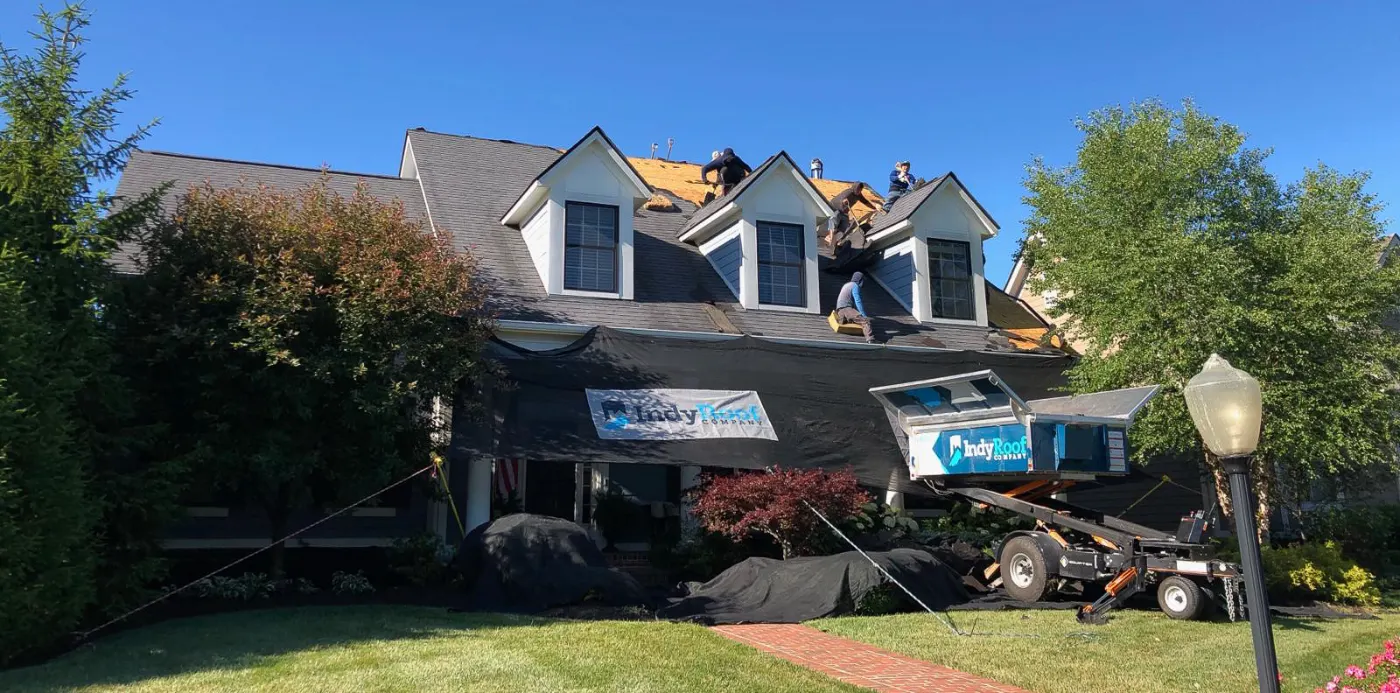
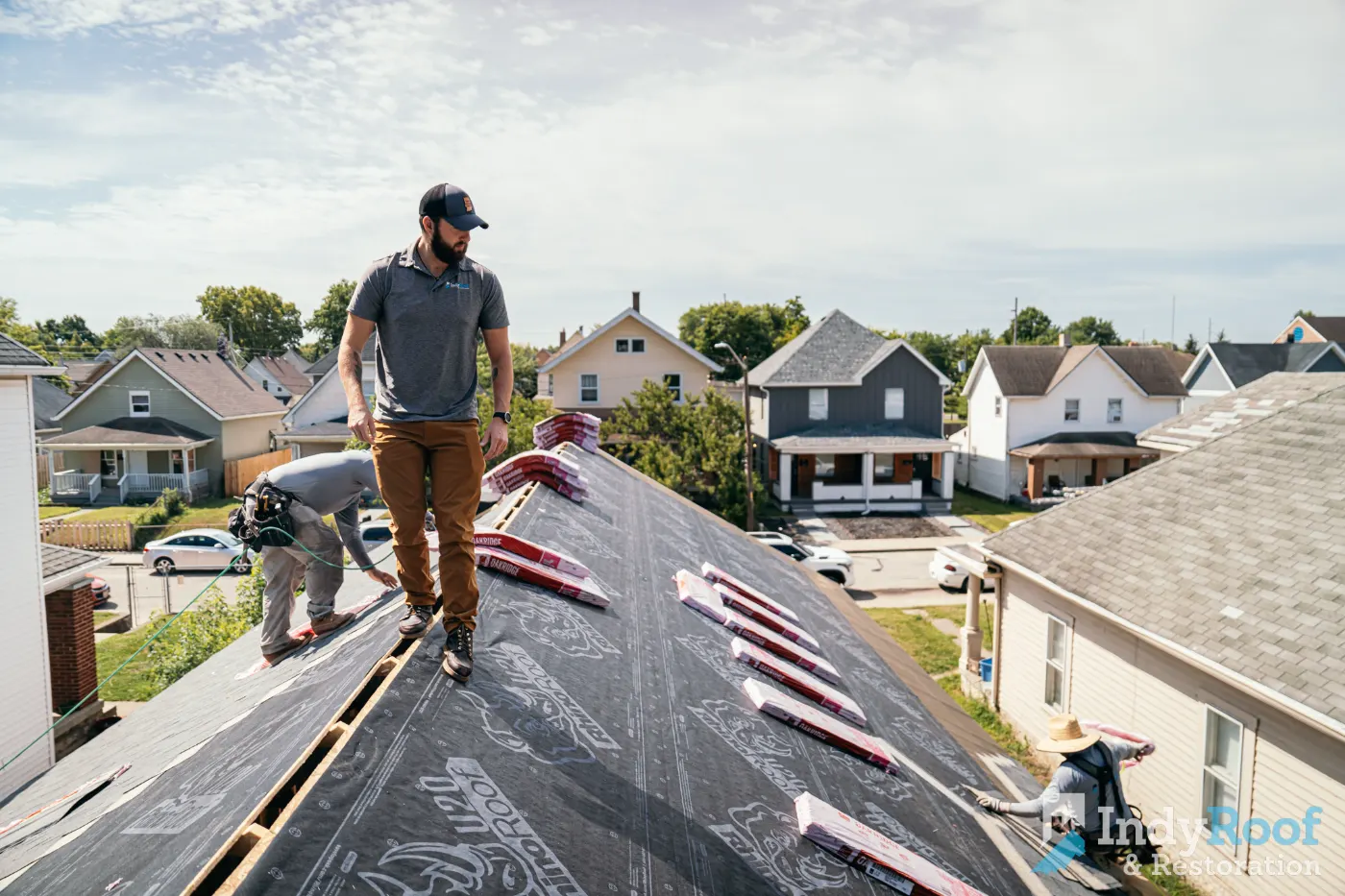
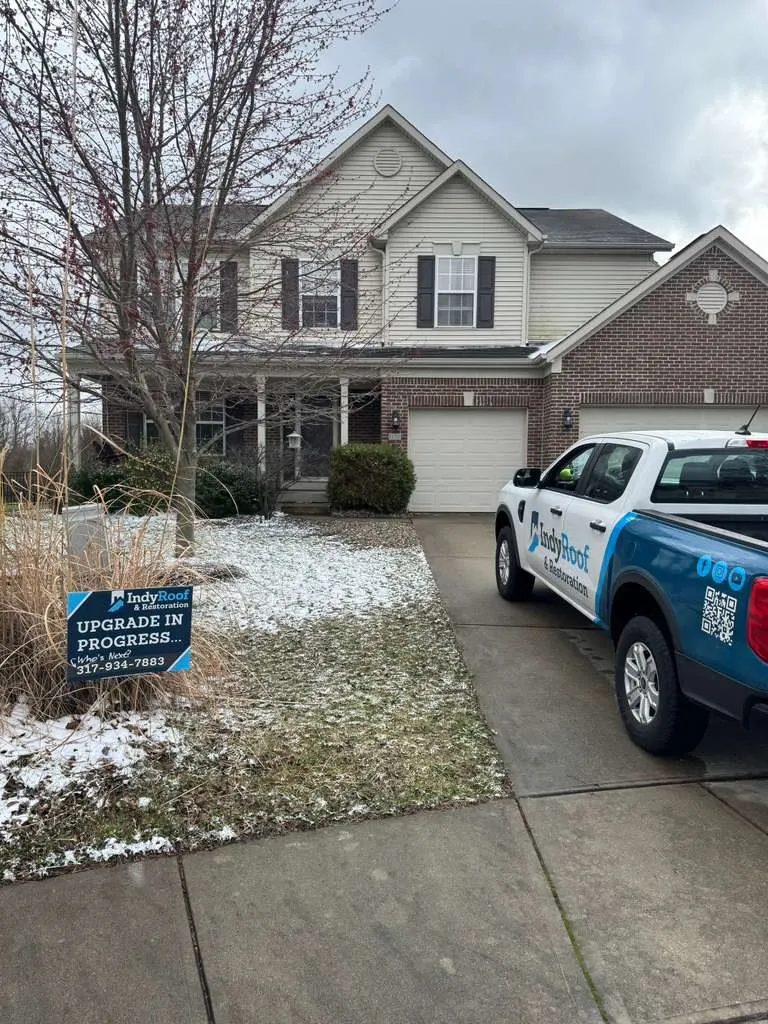
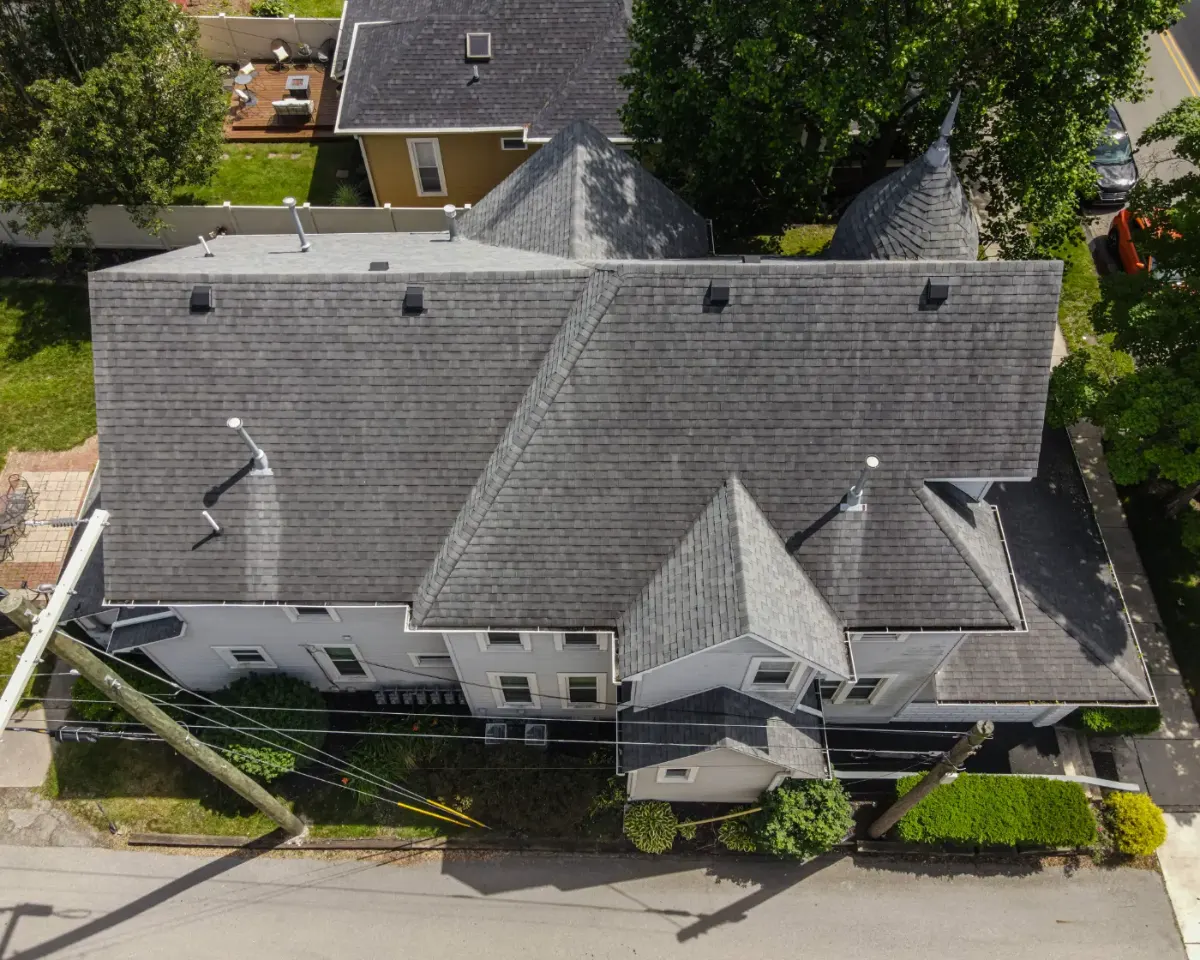
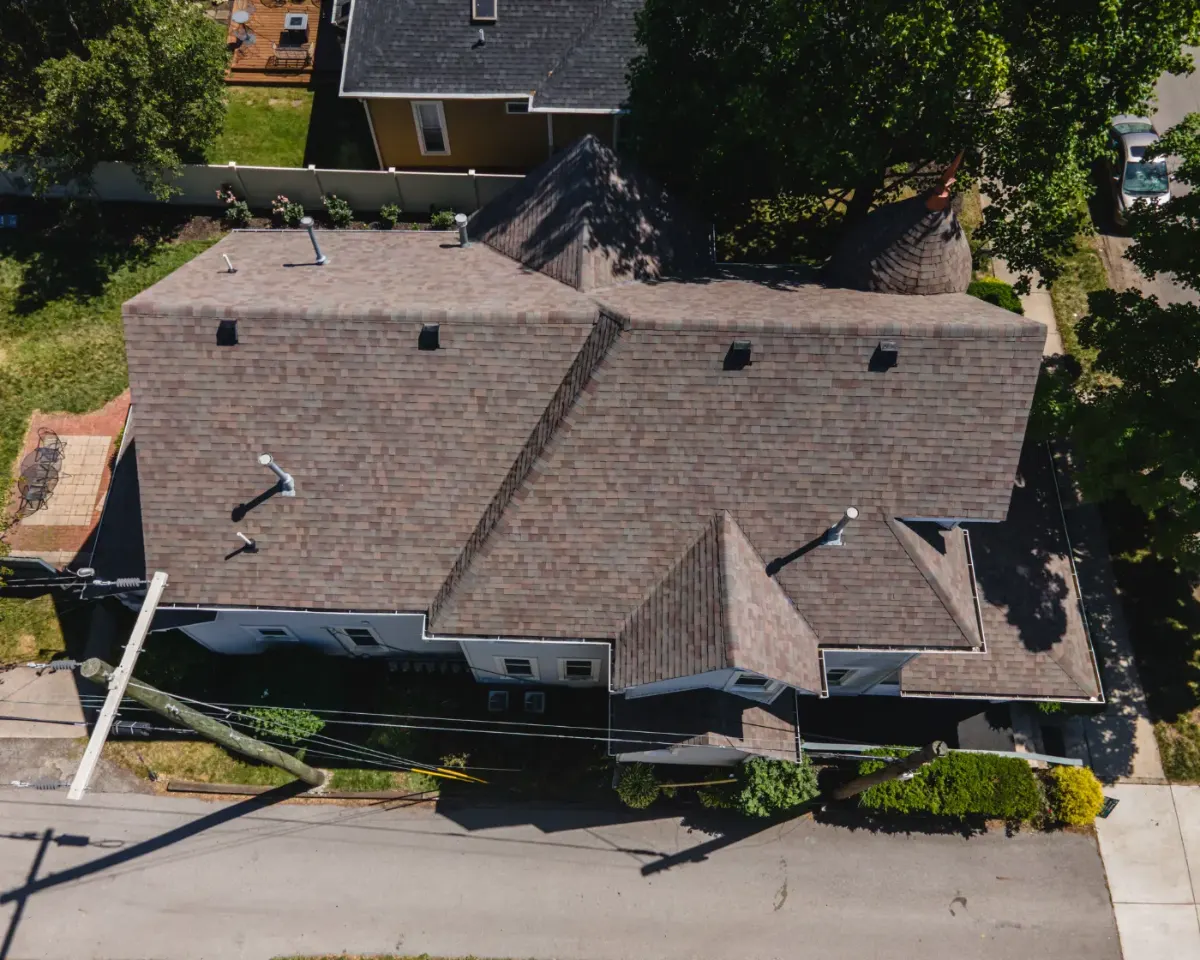
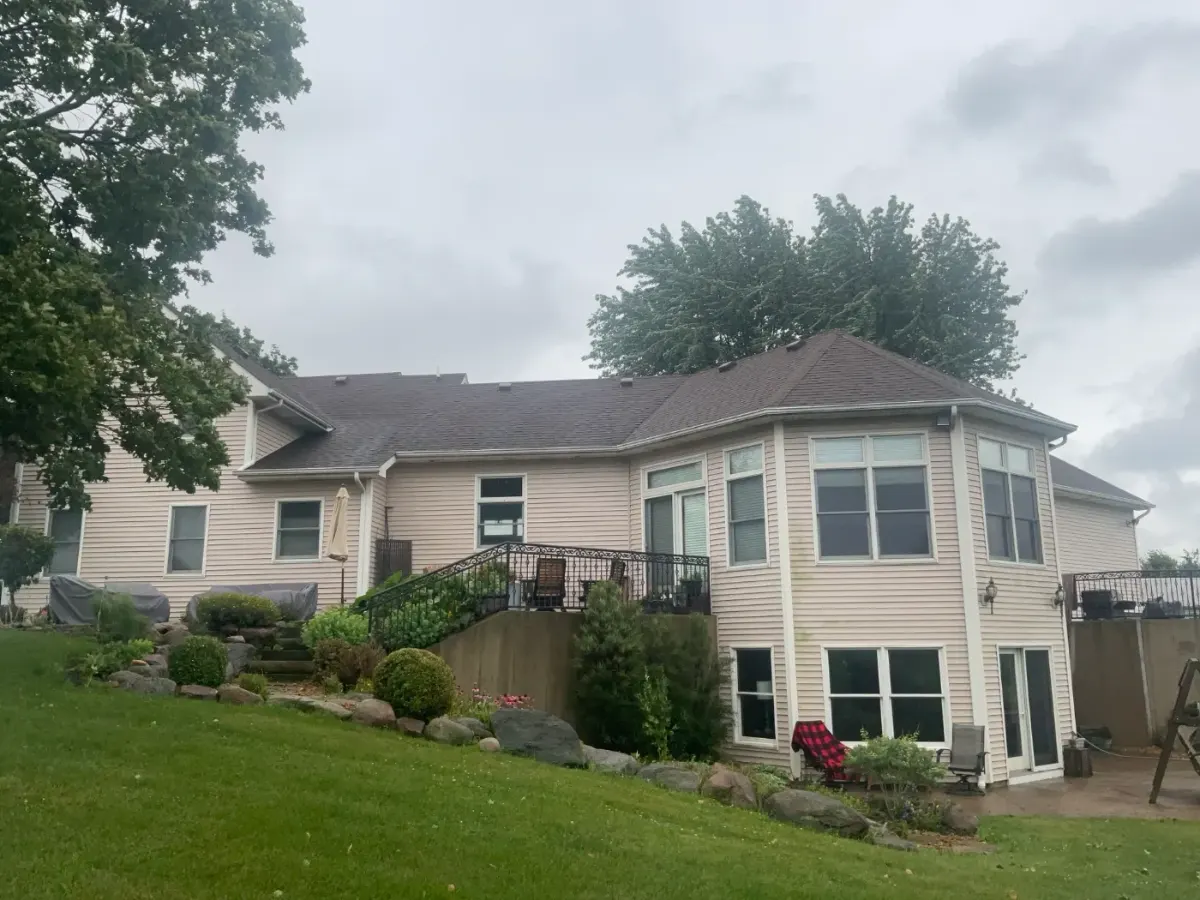
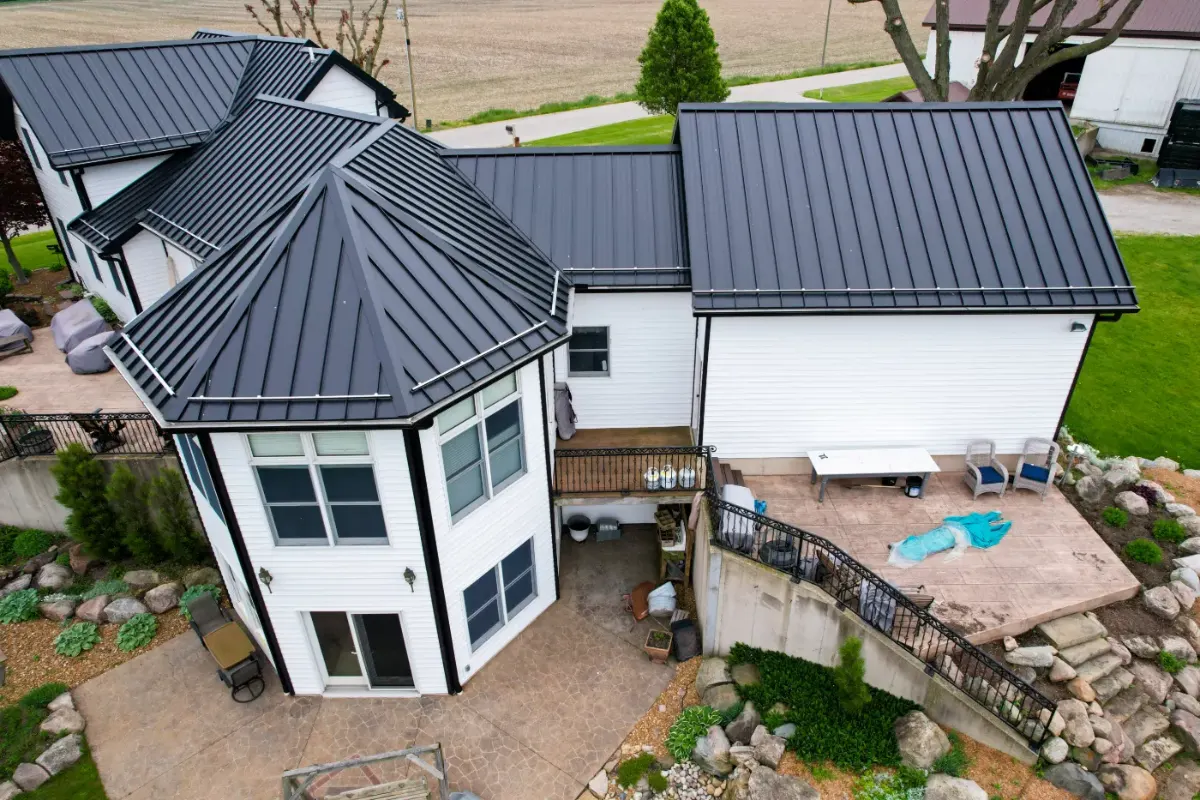
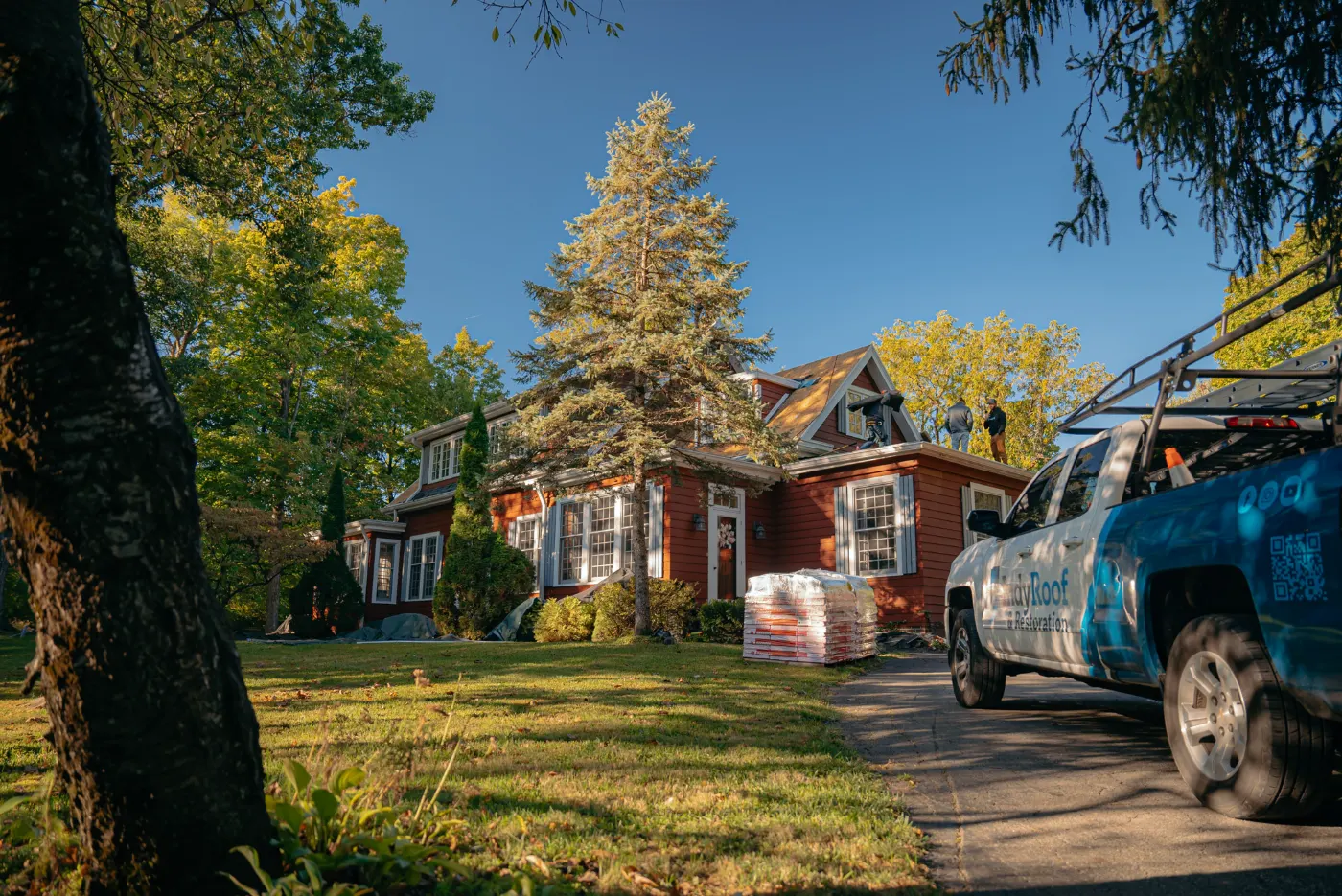
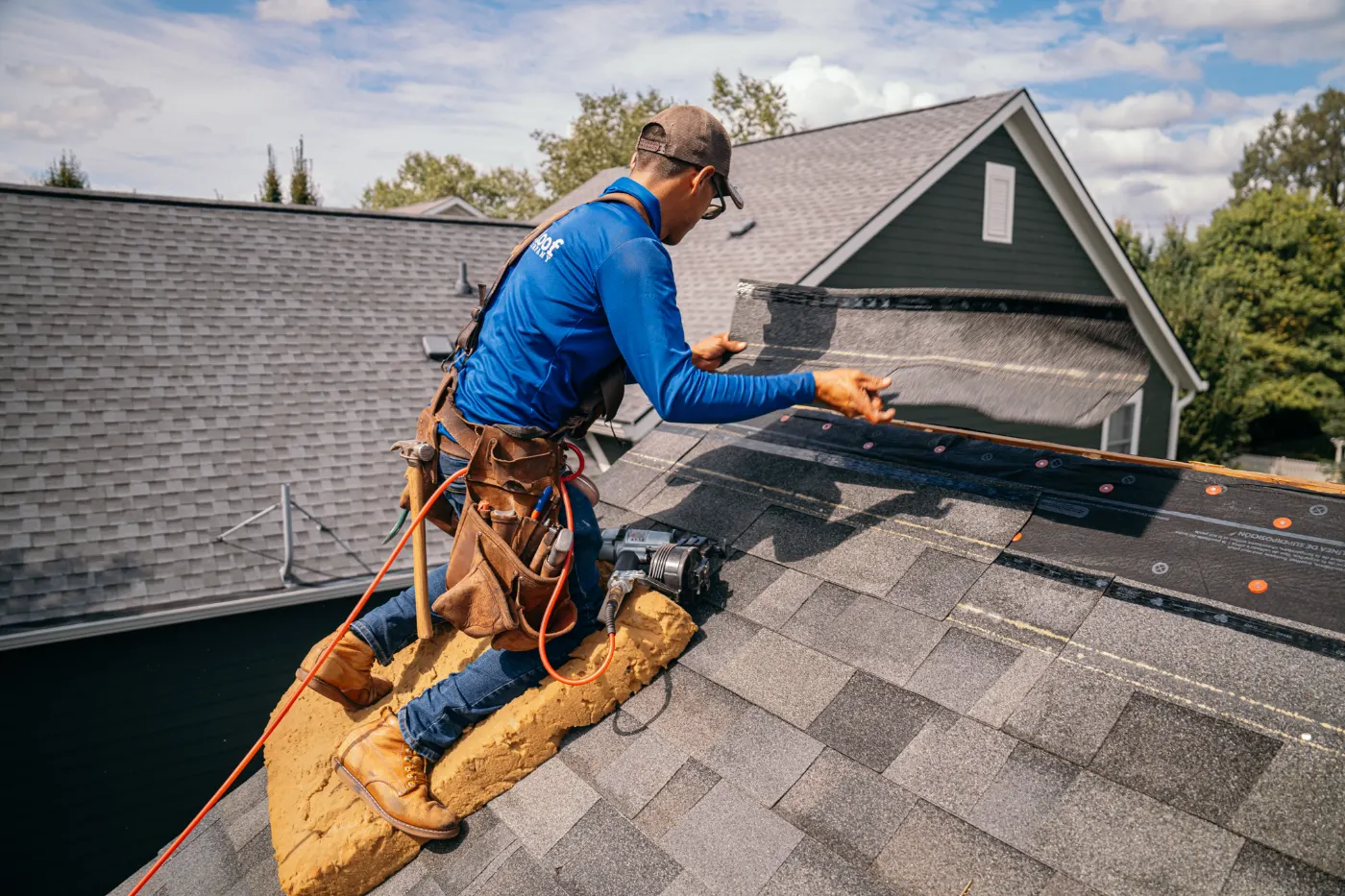
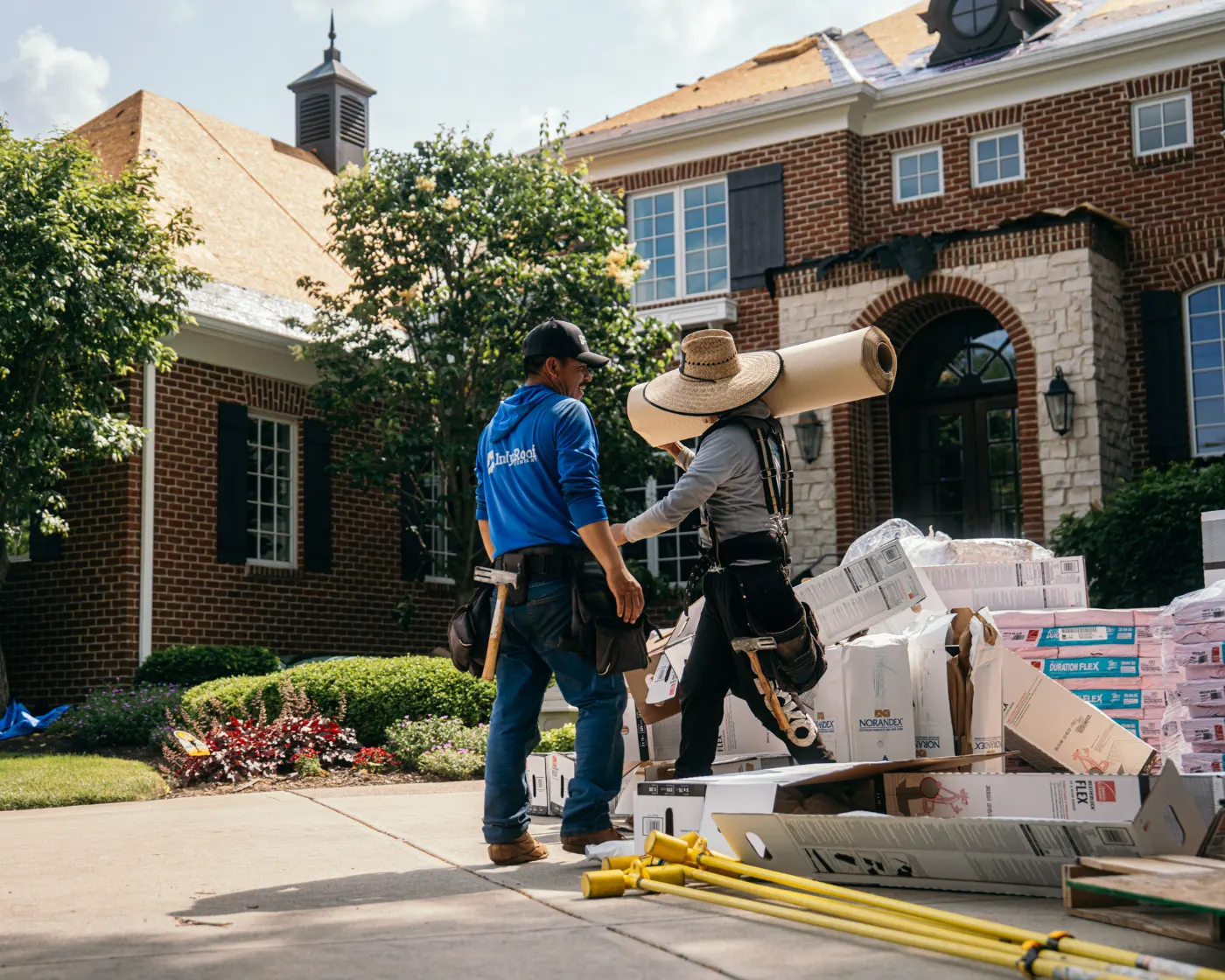
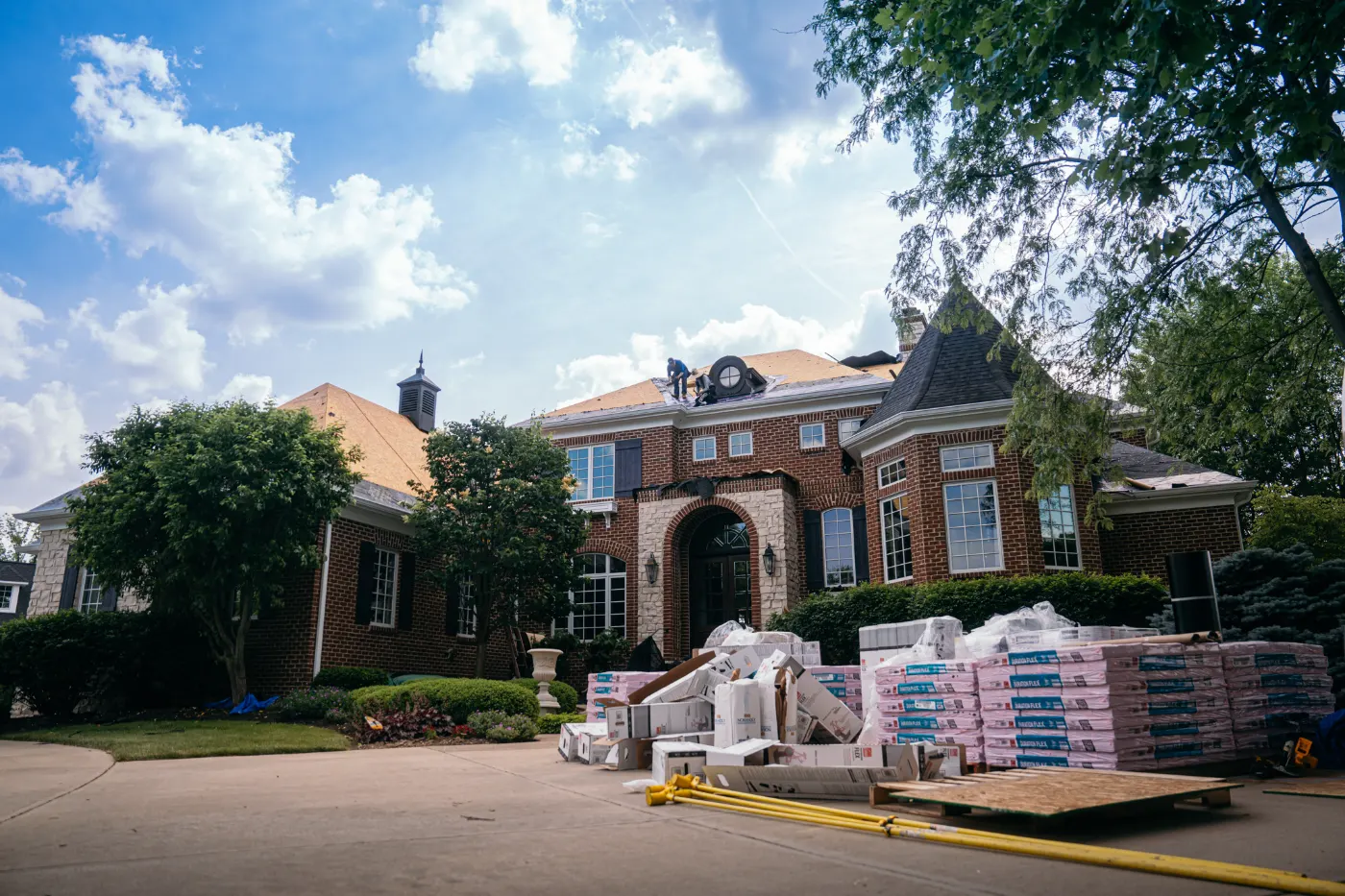
Photos from recent roofing projects completed by our manufacturer-certified crew across Wanamaker and Marion County. Every project is documented with photos and a written closeout package.

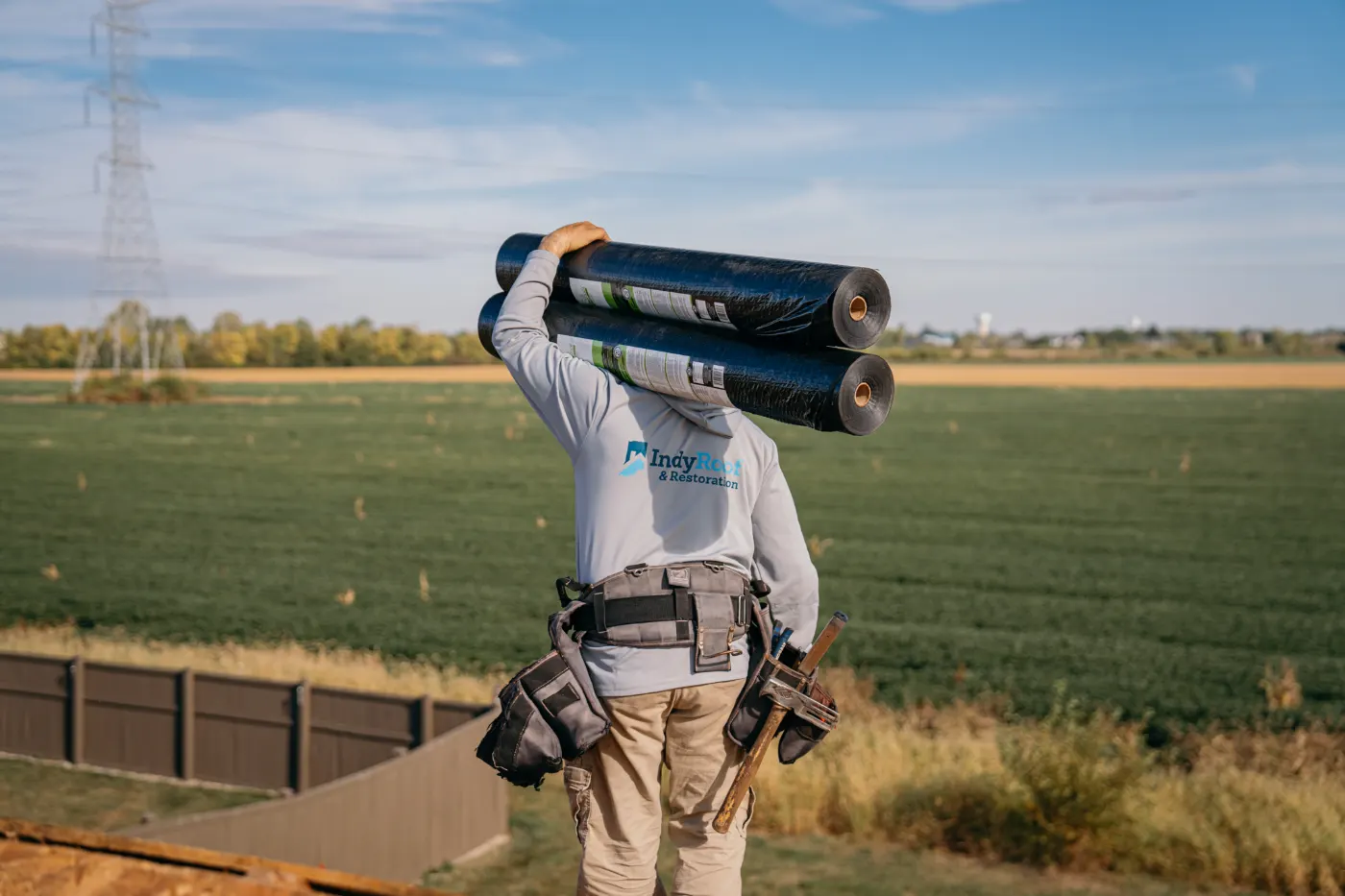
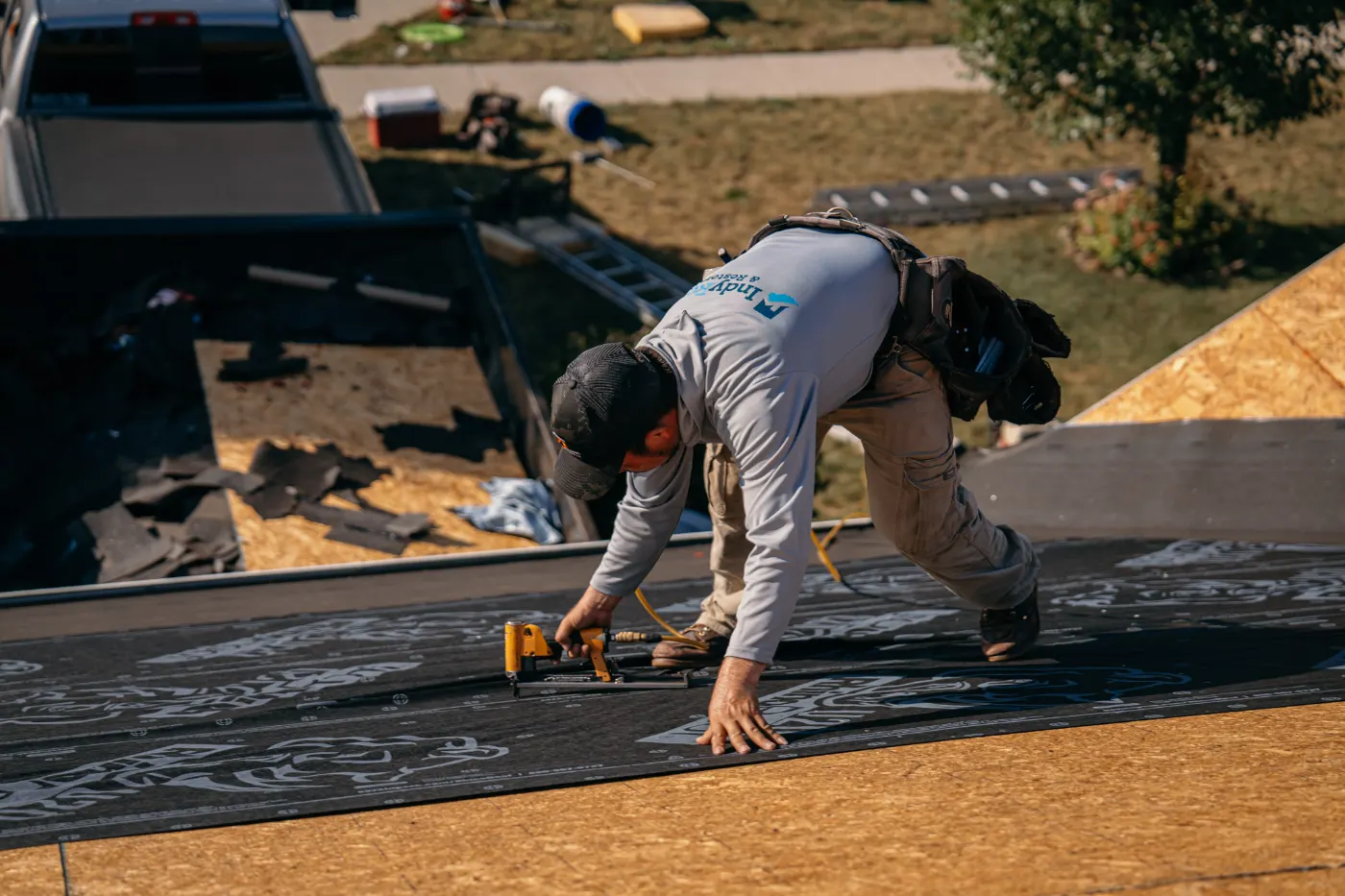
A Wanamaker Roof Replacement, Phase by Phase
Every Wanamaker project starts on the roof, not on a sales pitch. A crew member walks the roof, checks the attic side when accessible, and looks at shingles, flashing, penetrations, and areas showing storm or age wear. We take photos as we go and put together a clear scope of what actually needs to happen. You see what we saw, in plain language, before any decision gets made. No pressure, no upsell on things your Wanamaker roof does not need.
Once the inspection is done, we sit down with the findings and write an honest estimate. If your roof has storm damage and you plan to file with your insurance carrier, we document the damage properly and can meet the adjuster on site to walk them through what we found. works with your insurance carrier and we do not name drop or steer you toward a particular company. You work with your carrier, we support the claim with clear evidence, and the Wanamaker homeowner stays in control of the process.
When it is time to do the work, we schedule around your calendar and the weather. Materials are staged carefully, landscaping and driveways get protected, and the crew tears off and installs cleanly. On replacement jobs we check the decking, replace what is soft, and set new underlayment, flashing, and shingles to spec. When the roof is done, we do a final walkthrough with you, run a magnet for stray nails, and haul off debris. Wanamaker homes get handed back cleaner than we found them.
Free Inspection With Photos
We climb the roof, check shingles and flashing, and photograph anything that matters. You get to see the condition of your Wanamaker roof for yourself, not just hear about it. No fee, no obligation to move forward.
Honest Written Estimate
The estimate spells out scope, materials, and price on paper. If a line item is in there, we can explain why. If something is not needed, we do not add it just to pad the number.
Insurance Documentation
For storm claims we prepare clear photo documentation of hail and wind damage and can meet your adjuster on site. You file with your own carrier and we support the claim with evidence. We do not bill your insurance company directly.
Clean Work And Final Walkthrough
The crew protects the property, keeps the site organized, and cleans up debris at the end of the day. When the roof is done, we walk it with you and run a magnet through the yard for nails. Nothing gets called finished until you agree it is.
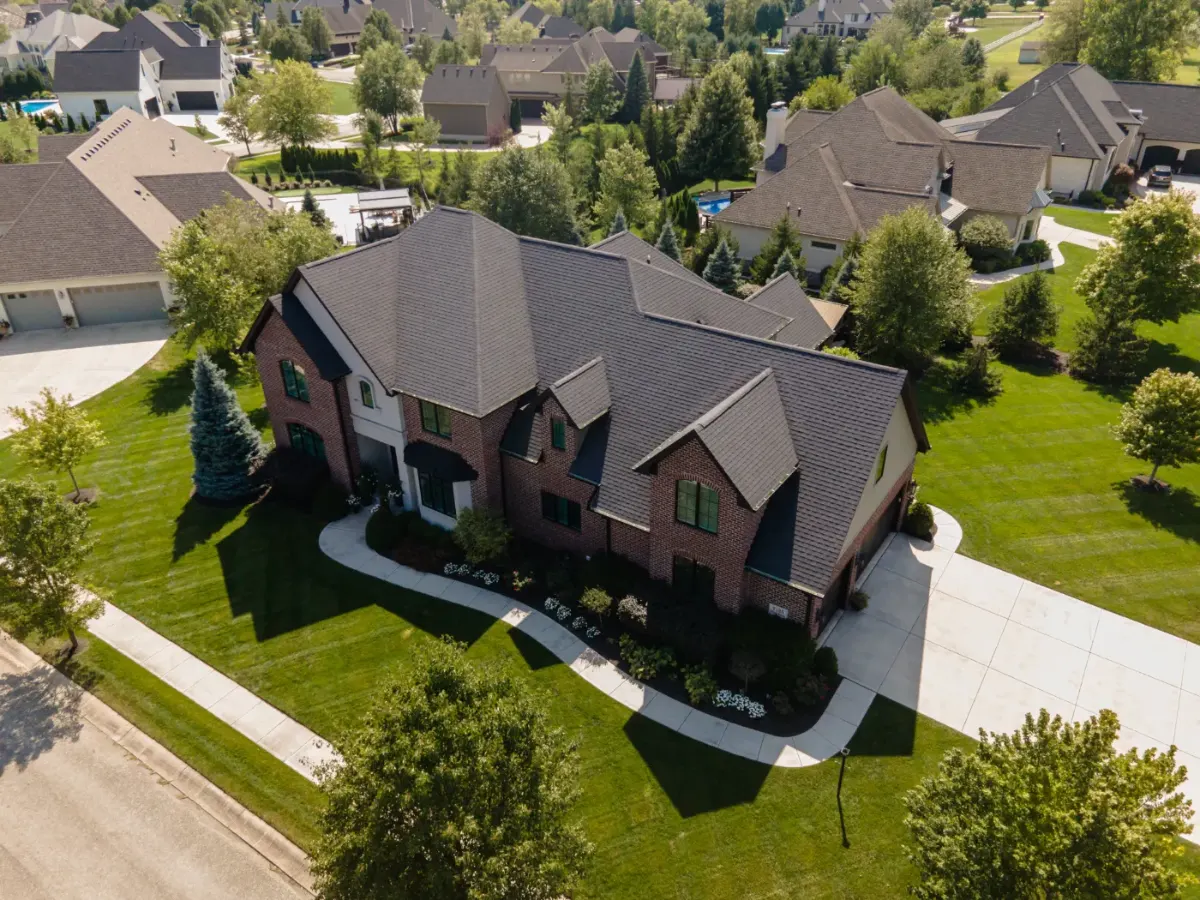
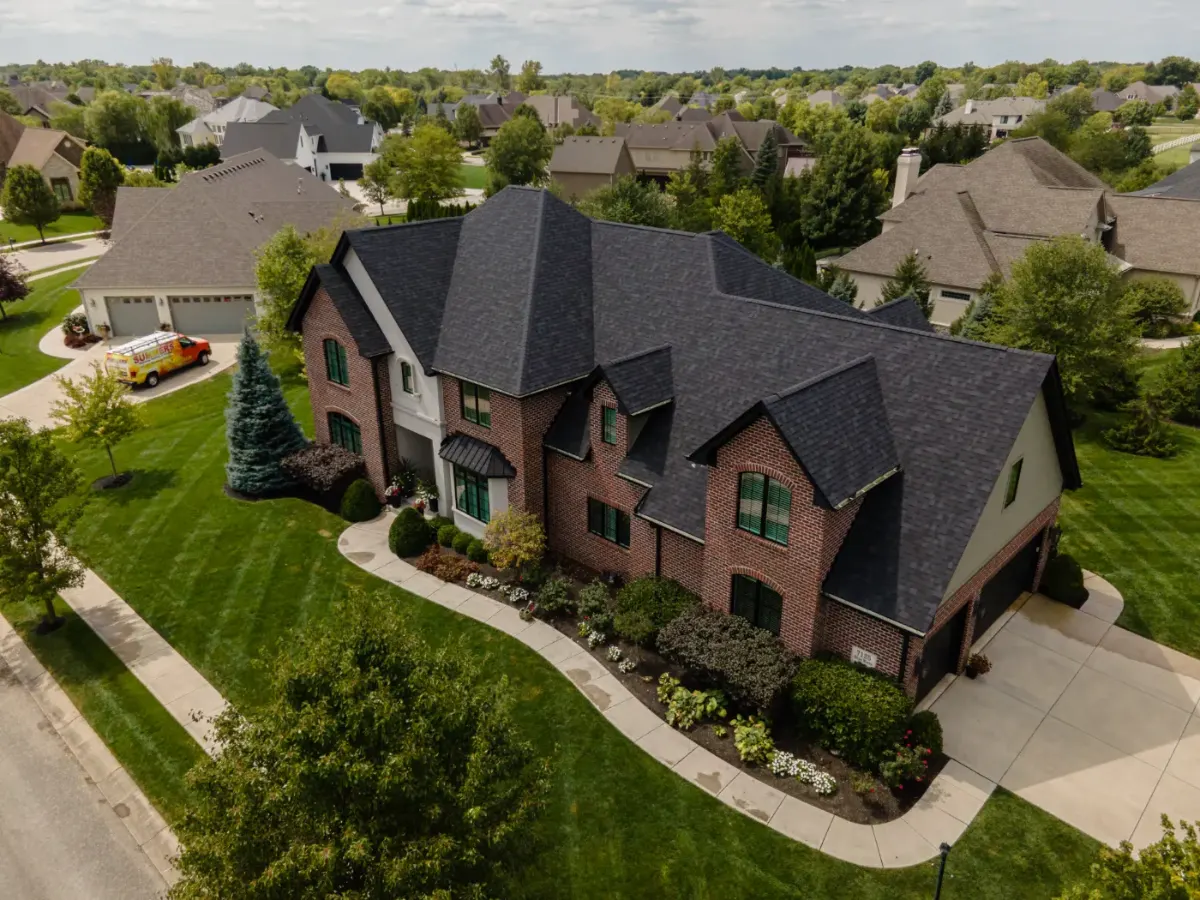
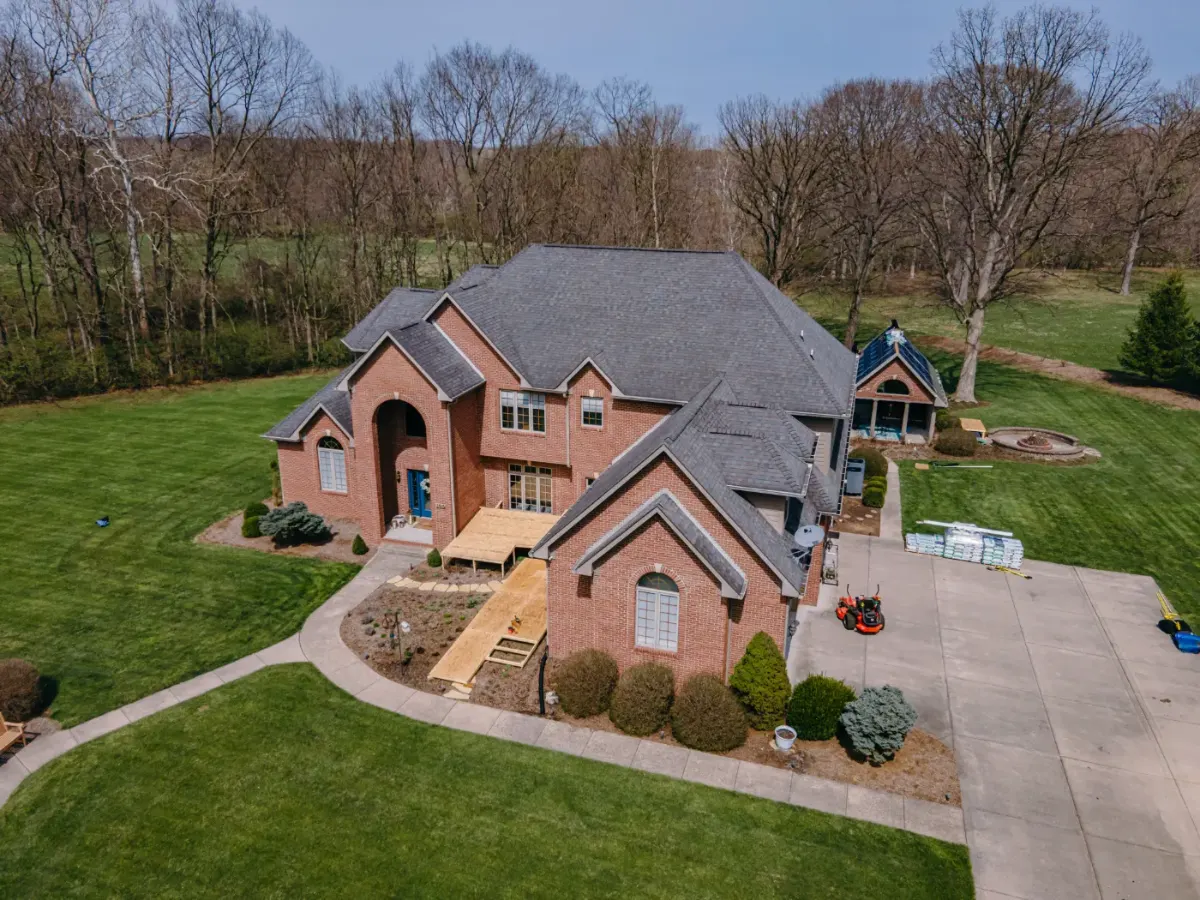
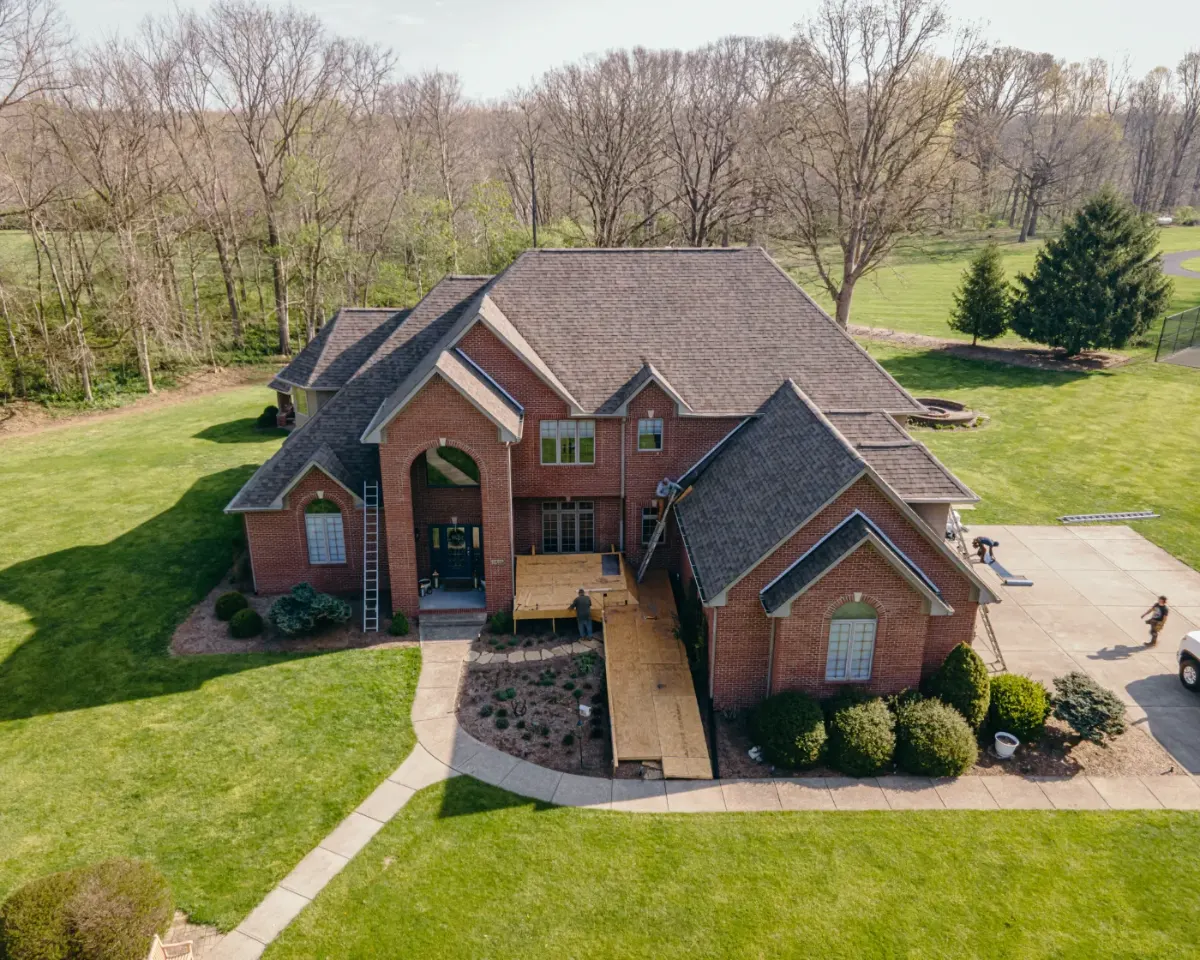
Recent Wanamaker Roofing Projects
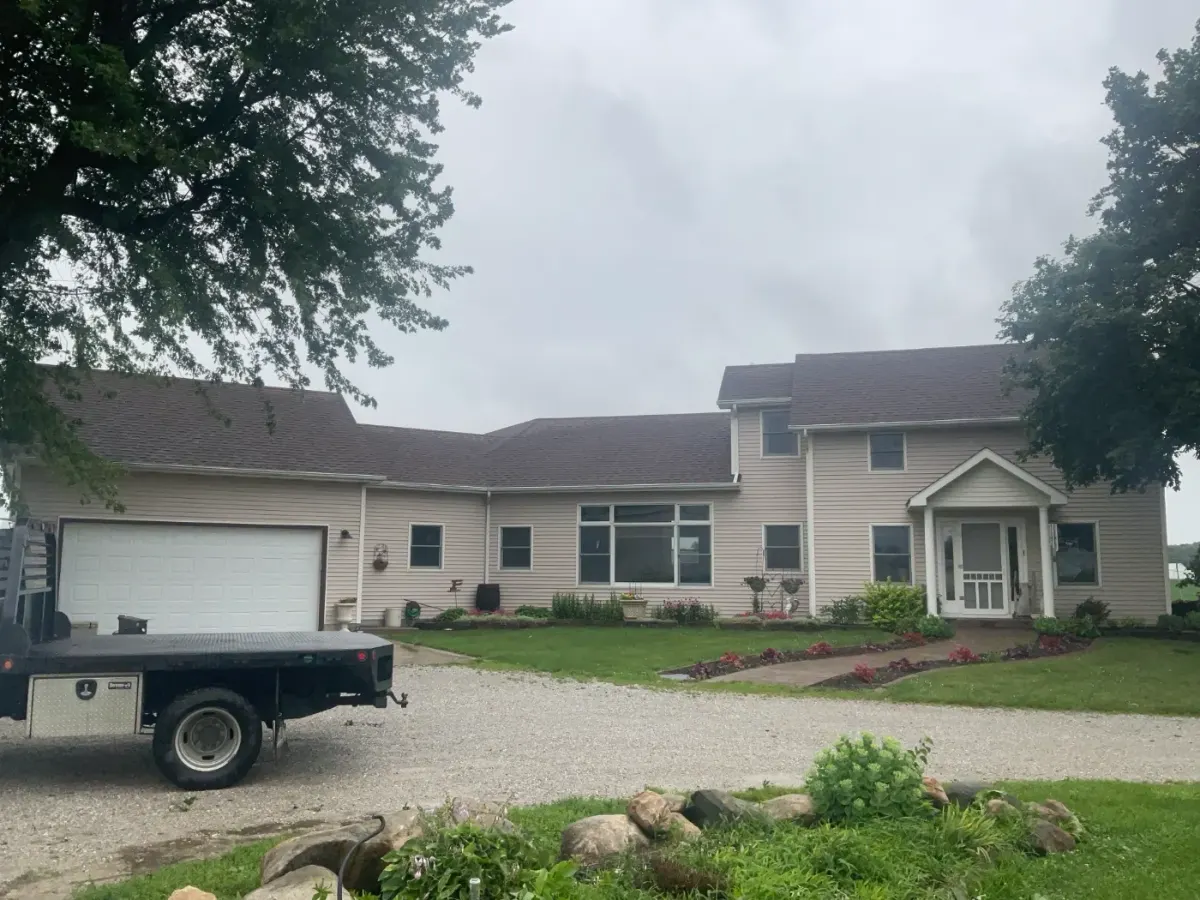
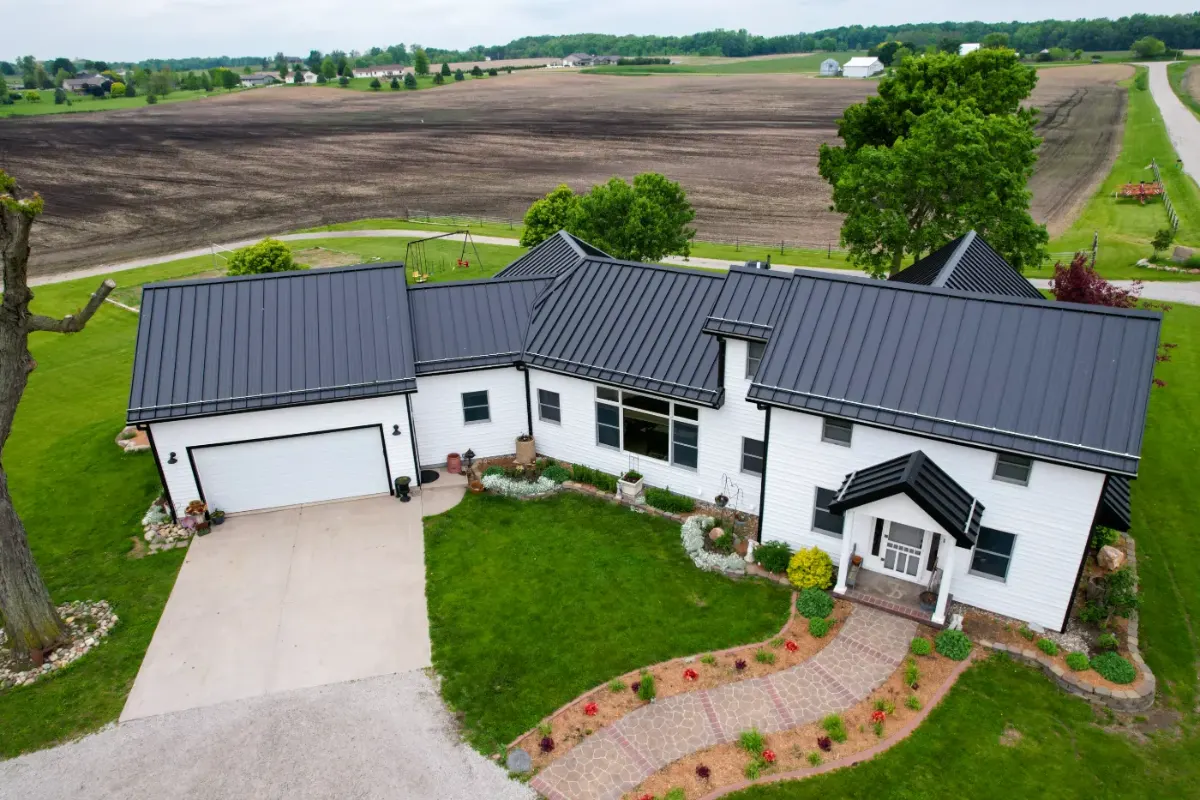
5 before-and-after projects documented for the homeowner and the homeowners insurance carrier.
What we see most often on Wanamaker roofs
Wanamaker homeowners typically call us about these scenarios.
Missing or Lifted Shingles
A few missing tabs after a Wanamaker wind event usually mean the surrounding shingles broke their seal too, including the ones still lying flat. Spot replacing only what blew off leaves the slope open to the next front. Wanamaker Roofing checks seal integrity across the whole area and quotes the repair that actually holds through the next season.
Skylight Staining the Ceiling Below
A skylight that leaks is usually a flashing kit that has outlived the roof around it, not a failed unit. Wanamaker Roofing reflashes Wanamaker skylights to the manufacturer detail or replaces aged units with your sign off, and either way the decking around the curb gets checked while the opening is exposed.
Holes Left by Dish and Panel Mounts
Anything bolted to a roof puts a hole through it, and that hole is only as good as what went in around it. Dish and panel installers often shoot a lag straight through the shingle and cover it with a dab of sealant, which holds until the sealant cracks. Wanamaker Roofing finds abandoned mounts on Wanamaker inspections, flashes or patches the opening properly, and checks the decking below it.
Algae Streaking on the North Slope
Those black streaks running down shaded Wanamaker slopes are airborne algae feeding on the limestone filler in the shingle mat. They are cosmetic at first and hold moisture against the surface over time. Wanamaker Roofing tells you plainly whether the roof needs cleaning, algae resistant shingles at replacement, or nothing at all yet.
Ice and Water Shield That Stops Too Short
Where an ice barrier goes on it runs from the eave to at least 24 inches inside the exterior wall line, and plenty of older Wanamaker roofs got a strip at the edge and nothing more. The result shows up as a winter leak that disappears every spring. Wanamaker Roofing checks coverage during tear off and brings it to what the shingle manufacturer's instructions call for rather than matching what was there.
Bathroom Vents Ducted Into the Attic
A bath fan that exhausts into attic space instead of through the roof puts warm wet air against the underside of the deck every day. Homeowners find it when the plywood darkens or the insulation mats down. Wanamaker Roofing looks for it during the roof inspection and flags it, because it is a roof problem even though it starts in a bathroom.
Three Simple Steps
Free inspection first, then a disciplined sequence that carries each Wanamaker Roofing project all the way to completion.
Free Inspection
Our review of your roof includes photo documentation of conditions and a direct, practical explanation of what turned up. Inspection times are set to fit your schedule.
Transparent Estimate
You get the recommended work written out, item by item, with what each one does for your property. Nobody pushes. Options get explained at whatever pace suits you.
Quality Installation
Property gets respected, timelines stay consistent, and the crew works attentively. Registering the manufacturer warranty in your name is on us.
Reviewed: Wanamaker Roofing Work
4.9 stars across 2,307+ Google reviews.
"Repair on a pipe boot leak that another contractor wanted to upsell into a partial replacement. They fixed the actual problem for $400. Honest, fair, professional."
"Respect for the property. Clean install. The crew managed landscaping protection carefully and left no debris behind. Cleanup was thorough."
"Designer shingle install: Owens Corning Berkshire in a slate-look profile. The crew was meticulous about shadow alignment and the finished roof completely changed the look of the home. Manufacturer warranty in our name with all documentation delivered."
Questions We Get on Wanamaker Roofs
Straight answers to the questions Wanamaker homeowners ask most.
Indiana Weather Affects Roofs Year Round
The country doesn't have many places with weather this varied. In Wanamaker, homeowners handle hail and severe thunderstorms each spring, UV exposure during summer, wind storms in the fall, and freeze thaw cycles once winter sets in. Knowing how Indiana behaves is how we schedule maintenance, repairs, and replacements.
Hail Bruising And Cracked Shingles
Marion County saw well over a hundred radar detected hail events in recent years, with half dollar and golf ball sized stones reported near Indianapolis. Hail bruises the asphalt mat, cracks tabs, and knocks off protective granules, leading to leaks months later. When we get called out, we mark and photograph each hit and score the slopes for a claim conversation.
Wind Lifted And Torn Shingles
Wanamaker spring storms routinely produce winds above 60 mph as Gulf moisture meets cold fronts. That kind of wind breaks the sealant strip, lifts shingle tabs, and tears rows off the ridges and rakes first. We check the edges and hips where damage starts, replace what is compromised, and reseal what can still hold.
Ice Dams On Cold Snaps
Central Indiana winters swing between thaws and hard freezes, which is exactly what builds ice dams along the eaves. Melt water backs up behind the ice, gets under the shingles, and finds its way into the decking and soffits. We look for stained underlayment, failing flashing at eaves and valleys, and address ventilation issues driving the melt cycle.
Granule Loss On Aging Roofs
Many Wanamaker roofs installed during the 1990s and 2000s build out are now past their expected service window, and it shows up first as granules in the gutters. Once the mat is exposed, UV cooks the shingles and cracks follow. When we see heavy granule loss on a Wanamaker roof, we walk you through repair versus replacement honestly.
Choosing the Right Roof for Wanamaker Homes
An honest breakdown of the three systems we install most frequently.
Architectural asphalt shingles are the most common choice on Wanamaker homes for good reason. They balance cost, curb appeal, and dependable weather performance, and they come in a wide range of colors and profiles that suit ranches, Dutch Colonials, and newer Craftsman style two stories alike. Modern architectural shingles carry strong manufacturer warranties against defects and offer solid wind ratings when installed to spec with proper starter, ridge, and nailing patterns. For most homeowners planning a Wanamaker roof replacement, architectural asphalt hits the right point on price, appearance, and expected service life. We install them to manufacturer specification so the warranty stays intact.
Class 4 impact resistant shingles are built to take the kind of hail that bruises and cracks standard architectural asphalt. Given how often the Indianapolis corridor lights up with hail during spring and early summer, Class 4 is worth serious consideration for Wanamaker homeowners who want to reduce the odds of another claim in a few years. The reinforced mat holds granules longer and resists the cracking that shortens roof life. Ask your insurance carrier whether your policy offers a premium credit for impact resistant roofing. We cannot promise a discount, but many carriers do offer one and it is worth a phone call before you decide.
Standing seam metal offers the longest service life of the three options, often measured in decades rather than years. The concealed fastener design keeps penetrations off the weather surface, sheds snow and ice cleanly, and asks very little of you in terms of upkeep once installed. The tradeoff is honest: the upfront cost is meaningfully higher than architectural asphalt. What you are buying is decades of low maintenance and strong weather performance rather than a lower sticker price today. For Wanamaker homeowners planning to stay in the house long term, standing seam can pencil out well.
Roofing Work We Take On Around Wanamaker
Roof Inspections
The call usually follows a specific moment. Someone finds granules washed into a flower bed. A shingle turns up on the lawn after a windy night.
A ring appears on a bedroom ceiling and grows a little with each rain. Each of those deserves a look, and none of them tells the whole story alone. Granules can mean an aging roof or a young one shedding.
A missing tab may be isolated or the first of many. Rather than guess from the ground, we get up there and find out what is happening on your Wanamaker roof.
Roof Inspections in Wanamaker ›Roof Repair
Repairs happen year round in Wanamaker, though the calendar changes the approach. In cold weather, sealants need heat to bond and shingles turn brittle, so a crew moves slower and takes more care. In summer heat those same shingles soften and scuff, which means early starts and light feet.
Fall runs busiest, since everybody wants the roof settled before winter arrives. Whatever the season, an active leak gets attention right away, because water inside a house will not wait for better working weather. We schedule around the rain rather than the calendar, and we tell you honestly when a wet stretch is going to push your day back.
Roof Repair in Wanamaker ›Emergency Roof Repair
These calls cluster around a few kinds of weather in Wanamaker. Spring and summer bring straight line wind and hail that strip shingles in minutes. Late fall storms drop limbs onto roofs already carrying wet leaves.
Winter brings ice at the eaves, where melt refreezes and backs water up under the shingles until it finds a ceiling. Each arrives fast and without warning.
Because these events hit whole streets at once, the phone rings for days afterward, and the households that call first are the ones covered first. Keeping a roofer's number somewhere handy is worth more than it sounds.
Emergency Roof Repair in Wanamaker ›Roof Replacement
The decision usually gets forced by something. A leak returns for the third time in one wet spring. An inspection during a home sale turns up an aging roof and the buyer wants it addressed.
A storm takes enough shingles that patching no longer makes sense. Or you look up from the driveway one afternoon and notice the roof looks tired next to everything else on the block. All of those are reasonable starting points, and none of them require you to decide anything on the day we visit your Wanamaker home.
Roof Replacement in Wanamaker ›Designer Roofing
Designer roofing comes up when the roof is a big part of how a Wanamaker home looks. Steep pitches, dormers, a wide face toward the street: on houses like these, the shingle is no background detail. People also ask about it when a standard roof would look flat against brick or stone.
If your roof is due for replacement anyway, this is the moment to weigh it, because the labor is largely the same and the difference lands mostly in the material. If the roof still has years left, there is no hurry at all.
Designer Roofing in Wanamaker ›Ask How the Money Can Change in Wanamaker
A roofing estimate is a prediction about wood nobody has seen yet, so the honest question is not just what it costs but under what conditions that number moves. Ask it plainly.
What could make this go up, how would I find out, and what do I get to decide. A contractor who has answered that question a hundred times will walk you through it without getting defensive.
The biggest variable is the deck. Ask for the rate per board or sheet, the quantity already included in the price, and what standard is being used to condemn a piece of wood. Soft underfoot, delaminated, rotted at the edge and split from old fasteners are all legitimate reasons.
Looks old is not one of them. Then ask the question that actually protects you: will work stop and will you see photographs before anything gets replaced beyond the included amount.
The second variable is what hides under the flashing. Chimneys, sidewalls and skylight curbs sometimes turn out to have damage behind them that no inspection could have found from above.
Ask how that gets handled, whether it's a fixed adder or a time and material charge, and whether you'll get a written price before the crew proceeds. Ask the same about the fascia and the drip edge, which frequently look fine until the old material comes off them.
The last one people forget is the schedule. Ask what happens if weather stops the job partway, who is responsible for keeping the house dry overnight, and whether that costs anything. Ask whether the payment schedule ties to milestones or to dates, and whether anything is due before material arrives at the house.
Ask as well whether the price holds if you push the start date back a month or two, since material costs move and some companies quietly requote a job that sat. None of these questions are adversarial, and a good contractor won't hear them that way. They are the difference between a number you can plan your year around and a number that turns out to have been an opening offer with the real figure arriving on the day your roof is open to the sky.
When the Install Calendar Fills Up
Roofing work is not spread evenly through the year, and knowing the rhythm can save you a fair amount of waiting. The quiet stretch is the deep part of winter, when the phone is mostly repairs and emergency calls. That's the ideal time to have an inspection done and a scope written for work you intend to have done later, because nobody is rushed and you can take your time with the decision.
Things tighten in a hurry once spring weather arrives. If a hail event comes through the area, every company within driving distance fills their calendar within days, and out of town crews show up to soak up the overflow.
Homeowners who wait until then to start getting bids end up choosing from whoever has an opening instead of from whoever they wanted. If your roof is already on borrowed time in the fall, getting the paperwork settled over the winter puts you near the front of the line once spring arrives.
Summer runs steady and predictable, which is why it's the easiest season to schedule with confidence. Days are long enough that most houses go up and get dried in the same day, and the weather cooperates often enough that reschedules are rare. The tradeoff is that everyone else has figured this out too, so lead times in the middle of the season are usually the longest of the year.
Autumn is a scramble. Everybody who has been putting it off wants their roof done before winter, and the daylight is shrinking while the list is growing. We keep installing as long as conditions allow, and there is nothing wrong with a cold weather install done properly, but the window narrows and the flexibility disappears.
If you know you need a roof, the cheapest thing you can do is decide early. Nothing about the work itself costs more in a hurry, but the waiting does. A scope written in the quiet part of the year also holds its shape better than one put together in a parking lot the week after a hailstorm.
Roof Styles You'll Find on Wanamaker Streets
The oldest houses we work on most weeks are single story ranches and split levels from the sixties and seventies. They tend to have simple gable roofs, deep overhangs, and a deck built from spaced planks rather than sheet material. Plank decking holds up well as long as it stays dry, but the boards shrink over a few decades and the gaps between them open up.
A nail driven into one of those gaps holds nothing at all, so before we price a house like that, someone walks it and reads the deck through the shingles. That answer moves the scope more than anything else we find up there.
Two story colonials from the eighties and nineties are the next wave you see around here. The pitch gets steeper, the roof carries more area, and there's almost always a garage or family room roof running into a wall of the house. Sidewall and step flashing is where those homes give us trouble.
Siding frequently went on over the flashing instead of the other way around, and once water gets behind that joint it travels down inside the wall and stains a ceiling a room away from the actual hole. We open those areas up and reflash them instead of running a bead of sealant and hoping.
Newer subdivisions bring their own list. Rooflines got busier, with cross gables, dormers, and valleys that funnel water from several planes into one channel.
Every extra cut is a place where a rushed crew can hide a shortcut. Builder grade venting is often light for the attic volume underneath it, and a low slope porch or sunroom section usually got the same shingles as the steep part of the house, which is not what that pitch calls for.
Whatever the era, the order we check things stays the same. Ventilation comes first, since a hot damp attic cooks shingles from below and nothing installed over it lasts the way it should. Flashing is next, because that's where most leaks actually start.
Then we get to decking condition and how many layers are already up there. A homeowner in an older neighborhood and one out in a newer section usually need different work, and a written scope ought to show you why.
How an Inspection Usually Ends
There are a handful of ways this goes, and the most common one surprises people. Quite often the roof is fine.
It has wear on it, the sun side looks older than the shaded side, and it's going to need replacing at some point, but not this year and not next. When that's what we find, that is what we tell you, and we'll put a rough sense of remaining life in writing along with what to watch for so you're not caught off guard later.
The next most common outcome is a repair. A split collar, a section of failed flashing at a wall, a valley that needs to come apart and be redone, or wind damage confined to one slope. Repairs get priced the same way replacements do, with the work described and the materials named, and we'll tell you honestly whether the repair is buying you a few good years or simply holding the line until you're ready for the bigger job.
When a full replacement really is the answer, we'd rather explain it than assert it. That usually means walking you through the photographs and pointing at the specific conditions driving the recommendation: the deck, the number of layers, the state of the fastening, the flashing that can't be reused, or a surface that has run out of granules. If a homeowner cannot see it in the pictures, we have not made the case.
Now and then an inspection ends without a clear answer, usually because a leak has not shown itself since the last hard rain. In that case we mark the suspect areas, make them watertight for the moment, and come back the next time the weather cooperates instead of replacing things on a hunch.
Whatever the answer, the paperwork looks the same and the pressure is the same, which is to say none. You get the findings, the photos, and a written scope for whichever path applies. What you do with all of it, and when, is entirely up to you.
Measuring a Wanamaker Roof Before Pricing It
Pricing starts with area, and area on a roof is not the same as the footprint of the house. A steep roof covers considerably more surface than a shallow one over the same rooms, which is why two houses with identical square footage inside can need very different amounts of material. So the first thing that happens is a real measurement, plane by plane, either walked with a tape and a wheel or pulled from aerial imagery and then verified on site.
Pitch gets recorded for every slope, and it does two jobs in the estimate. It sets the area, and it sets the labor. A crew can move comfortably on a moderate pitch and work most of the day.
Past a certain steepness they need staging, roof jacks and harness anchors, everything gets carried up by hand instead of slid, and the same square of shingles takes considerably longer to install. That's not padding. It's the honest cost of working on a surface people cannot stand on.
Waste is the part homeowners rarely hear about. A simple gable roof wastes very little, because most bundles get installed whole.
A roof with several valleys, dormers and hips wastes a good deal more, since every shingle running into a valley or up a hip gets cut and the offcut usually goes in the dumpster. A fair estimate states the waste factor openly, and a cut-up roof will always carry a higher one.
The measurement also produces the counts everything else hangs on. Linear feet of eave and rake for the starter and the drip edge, linear feet of ridge and hip for the caps, linear feet of valley for the membrane, the number of penetrations needing new collars, and the length of every wall the roof runs into.
When those numbers appear on your estimate, you can check them against your own house. When they don't appear at all, you are being asked to trust a number nobody has shown their work for.
Before You Call: Wanamaker Questions
What We Have Learned Across Wanamaker
Roofing projects completed across Wanamaker's neighborhoods and surrounding areas. Click any neighborhood for the specifics we have learned working there.
Where we respond near Wanamaker
Indiana-licensed crews dispatched to Wanamaker and the closest surrounding communities.
Roofing Systems Compared in Wanamaker
Four residential systems account for most of what we install. Pricing here reflects what typical Wanamaker jobs cost.
As of 2026 these figures reflect what the Wanamaker market typically runs. A plus sign attached to the top of a range signals that findings from the inspection could take your project above the listed maximum. Ask for the written scope and quote, which is free.
Wanamaker Roofing is powered by Indy Roof & Restoration
Every quote, crew, and warranty on this page traces back to Indy Roof & Restoration. 2018 is when they started in central Indiana, and Wanamaker has been in the service area ever since. Check the reviews yourself: 2,307+ of them, verified on Google, averaging 4.9 stars.
Licensed and insured · License #RC21100059
Credentials and ratings include Owens Corning Preferred Contractor, Malarkey Certified Contractor, BBB A+ Accredited and Google Google Guaranteed. Media appearances include FOX59, WISH TV, and RTV6.
Expert Wanamaker Roofing Crews Available Now
Whether a spring storm just rolled through Wanamaker, your roof is showing its age, or you are simply planning ahead, now is the right time to know where you stand. Schedule a free inspection with Wanamaker Roofing, no obligation, and we will document everything you need for your claim.